The restaurant technology decisions to make before 2027
Mobile payment is growing and AI is entering everyday operations. Use Norwegian payment data to build a practical 2027 plan for ordering, loyalty, payments and the kitchen.
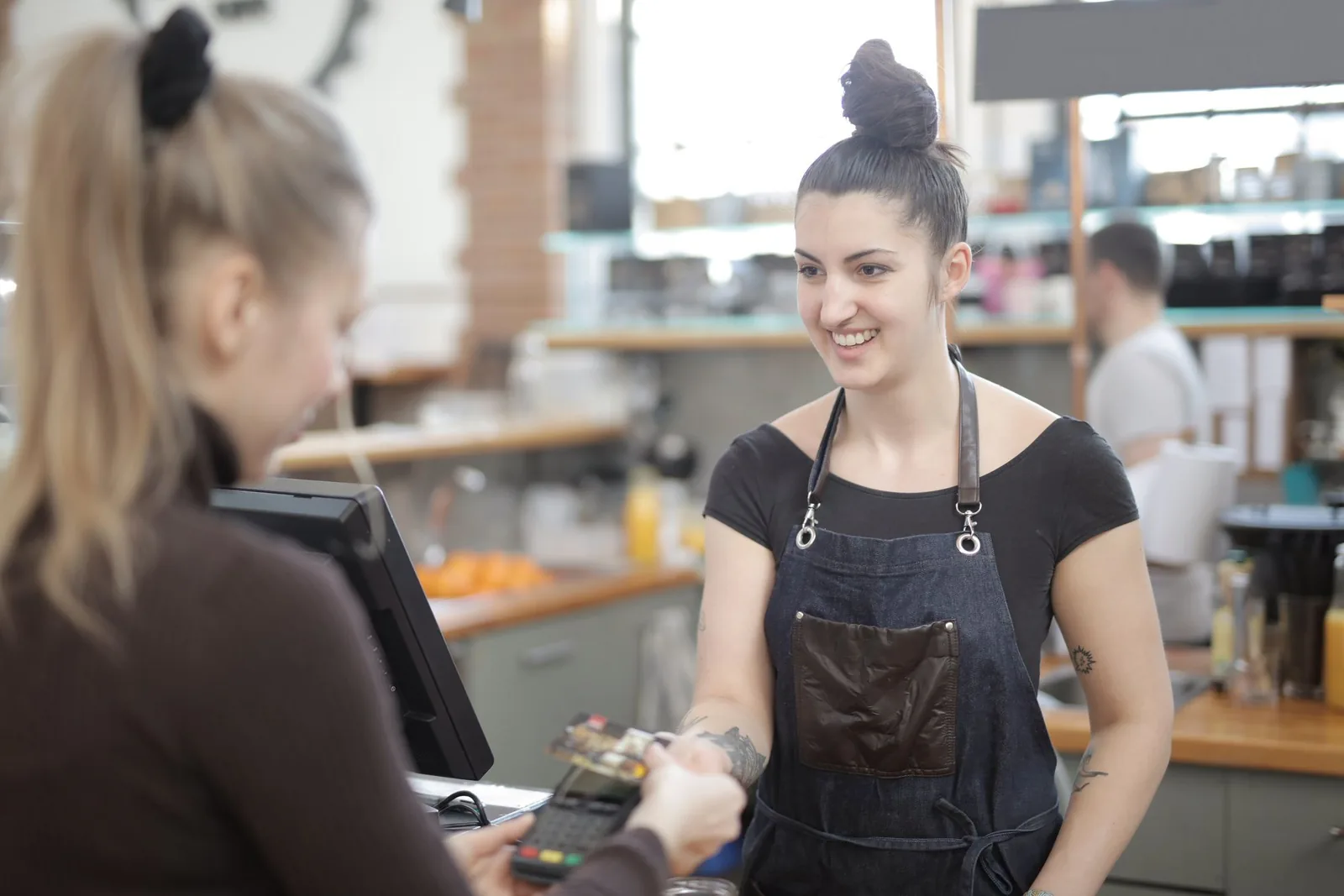
Guests are becoming more comfortable ordering and paying on their phones. The opportunity for 2027 is to connect that convenience with your own menu, loyalty and kitchen, so a digital order becomes a smooth restaurant experience.
Make convenience work for your restaurant
A guest who can pay with a phone should not have to work hard to find the menu, use a reward or understand where to collect dinner. Technology planning starts with those everyday moments. The strongest improvements connect them, giving the guest a clear route through the visit and the team a clear view of what happens next.
For 2027, focus on a few connected decisions. Make payment comfortable on the channels you use. Build a direct route to the next order. Put loyalty close to the purchase. Give AI a specific job. Then rehearse the complete service before expanding. The Norwegian figures below show why these decisions deserve attention now.
Mobile payment has become an everyday habit
Norges Bank reports that mobile devices accounted for 27% of payments at physical terminals in 2025, up from 12% in 2024. The March 2026 survey uses a broader definition and records 37% mobile-phone payments and 3% cash at points of sale. These are national observations, with the original periods and methods shown below.
For a restaurant, the practical job is to remove hesitation at checkout. Show the amount clearly, make the terminal easy to reach and keep staff informed when payment succeeds or needs another attempt. A familiar payment method should feel familiar whether the guest orders at a table, counter or kiosk.
| Measure | Observation | Period |
|---|---|---|
| Mobile devices at physical payment terminals | 27% | 2025 annual records |
| Mobile devices at physical payment terminals | 12% | 2024 annual records |
| Mobile-phone payments at points of sale | 37% | March 2026 survey |
| Cash at points of sale | 3% | March 2026 survey |
Test a complete payment conversation
Run a short rehearsal using your real service. Start with an ordinary sale. Then split a table bill, cancel a checkout and refund part of an order. Watch what the guest sees and what the employee must do next. Include a small basket, a large party and someone who changes their mind. These situations expose the difference between accepting a payment and running a good service.
After the rehearsal, follow the sale into the day’s reports. The person closing the restaurant should be able to connect the order, payment and refund without reconstructing the shift from several screens. For a group, run the same exercise at a second location so that shared processes remain clear when the business grows.
Keep more of the growth you are planning
Put payment costs on the 2027 agenda before adding another sales channel. A restaurant paying 0.5 percentage points more on 5 million kr of eligible payment volume spends an additional 25,000 kr a year. Fixed fees and message charges add another dimension. Compare the complete year, with separate figures for in-store and online payments.
ninito works to give restaurants stronger buying power through competitive payment terms, hardware at purchase cost and useful services included in the platform. BankAxept in Norway is 0.161%, with 0% ninito commission and no fixed fee per BankAxept transaction. Guest SMS is included, and hardware carries 0% ninito markup. Ask about payment choices for each channel as part of the same plan.
Build a direct route from craving to kitchen
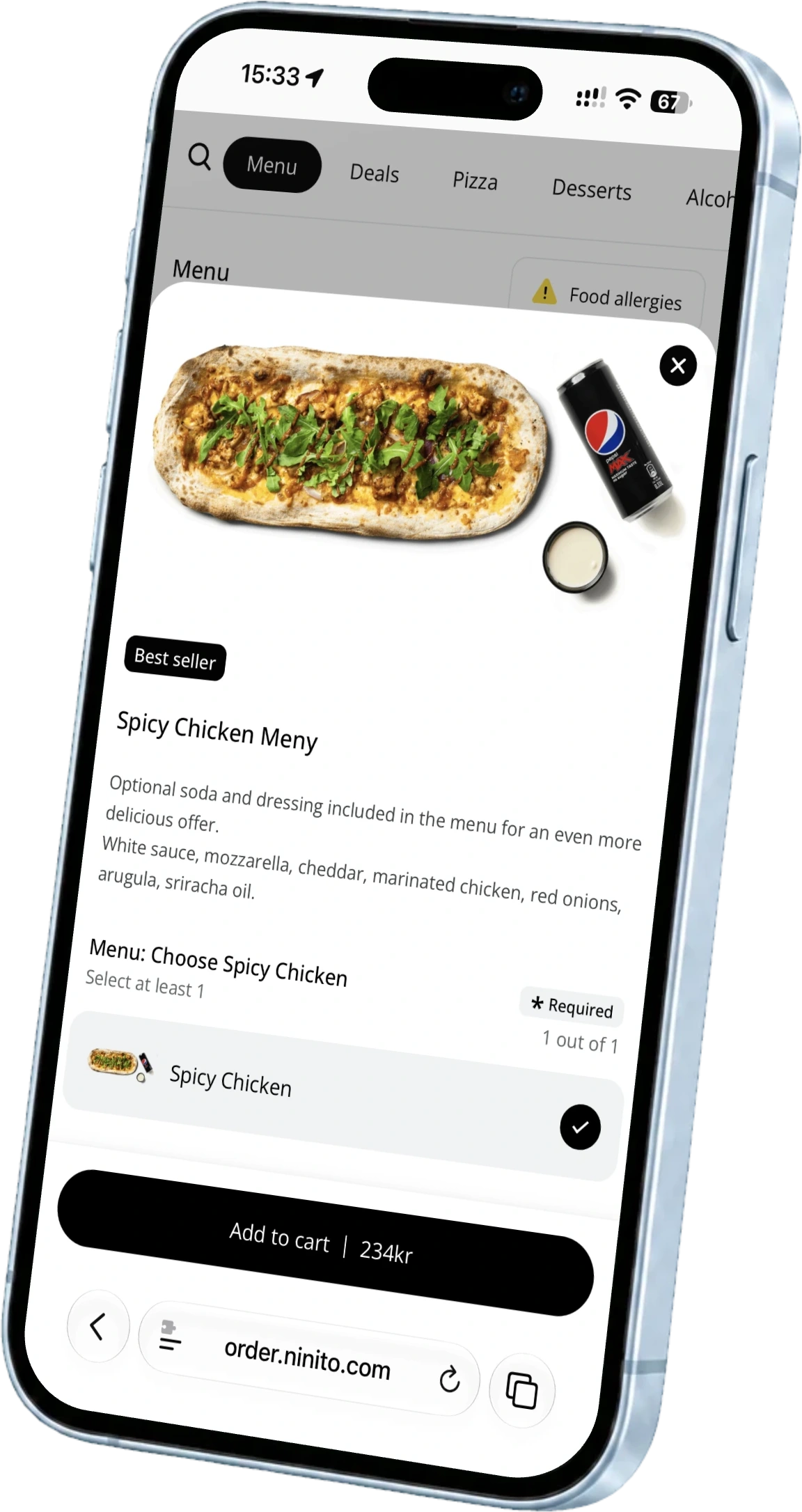
An online order starts before checkout. A guest searches for the restaurant, looks for the menu and decides whether the collection time fits. Give that journey a clear destination on your own website and app. Use current food photography, short descriptions and a visible ordering action. Show location and collection choices before the guest has invested time in a basket.
Inside the restaurant, connect that digital journey to preparation. The kitchen needs the correct items, modifiers and timing. The guest needs useful updates and a recognisable pickup point. ninito brings website, app, ordering and kitchen tools into the same restaurant platform. That connection lets the next website improvement support the service behind the screen as well.
Make the next visit part of the first one
Loyalty deserves a place in the technology plan, not only in the marketing calendar. Decide how guests identify themselves, what they earn and where they can use the reward. A guest who orders at a kiosk one day and through the app the next should recognise the same programme. Keep the first reward understandable and close enough to feel achievable.
ninito includes a native loyalty programme with points, levels, member prices and birthday rewards. The restaurant controls its earning and redemption rules. A tailored Enterprise app can bring that programme into a richer brand experience, as DIGG demonstrates. For 2027, start with a clear guest promise and a connected setup, then build the programme as you learn what brings people back.
Give AI a job your team can recognise
Statistics Norway reports that nearly half of Norwegian enterprises with at least ten employees used one or more AI technologies in 2026, compared with three in ten in 2025. For restaurant teams, the useful question is which repetitive or time-sensitive job the technology can help them handle.
Choose one starting point. It might be suggesting relevant extras while a guest orders, finding a change in purchasing behaviour or helping answer routine phone enquiries. Write down how the task works today and what an improvement would look like. Then let the people using it judge the result. ninito’s connected ordering and guest data give its AI features operational context, making the conversation about service rather than another isolated tool.
Practise the shift that does not go to plan
A busy restaurant needs a simple plan for interrupted payment or connectivity. Norges Bank’s 2026 infrastructure report calls for multiple payment routes and prepared contingency arrangements. Translate that into a short routine the shift team can use. Name the support contact, the agreed fallback and the person responsible for reconciling transactions after recovery.
Test the routine at a quiet time. Confirm which devices need power and network access, how guests are informed and where the team records any unfinished transaction. A backup is only useful when staff know how to use it. Keep the instructions beside the working area and include them in the training for new shift leaders.
Leave the planning meeting with three decisions
First, choose the guest journey you want to improve. Second, choose the operational handover that needs less manual work. Third, decide which result you will review after launch. Put a person and a date beside each decision. That is a useful technology plan, whether you are improving one restaurant or preparing the next ten openings.
Bring those decisions to ninito’s restaurant-experienced team. We help you connect payment, ordering, kitchen and loyalty around the service you want to run. Included support gives your staff a team to turn to as the plan becomes daily work. Choose a first improvement you can measure, then build on the result with people who understand the restaurant behind the numbers.