How to hand the right takeaway bag to the right person
A complete order still needs the right recipient. Connect kitchen status, a clear pickup display and a simple bag check with ninito.
The final metre is part of the order
A guest may find the menu, choose food and pay without difficulty, yet the experience can still fail if the bag reaches the wrong courier or a drink is left behind. Treat handover as a separate task, rather than simply what happens after the kitchen finishes.
ninito connects the kitchen’s order flow with a customer display that shows preparation and collection status. Guests can see when to approach the counter, and employees can work from an order reference instead of remembering who arrived first. The display supports the handover. The team still checks the contents and recipient.
Use an identifier that lasts through handover
An order needs to remain recognisable while passing between employees. Use the channel and order number, or the identifier your setup actually uses. A first name alone may be difficult to distinguish from other guests. Be consistent when labelling food, drinks and additional bags belonging to the same order.
Make the reference readable without exposing more personal information than the task requires. A public collection point generally does not need a guest’s full contact details. For platform orders, staff must know which reference the courier can show. One person may collect several orders, so each meal still needs a separate check.
Pack against the order, not from memory
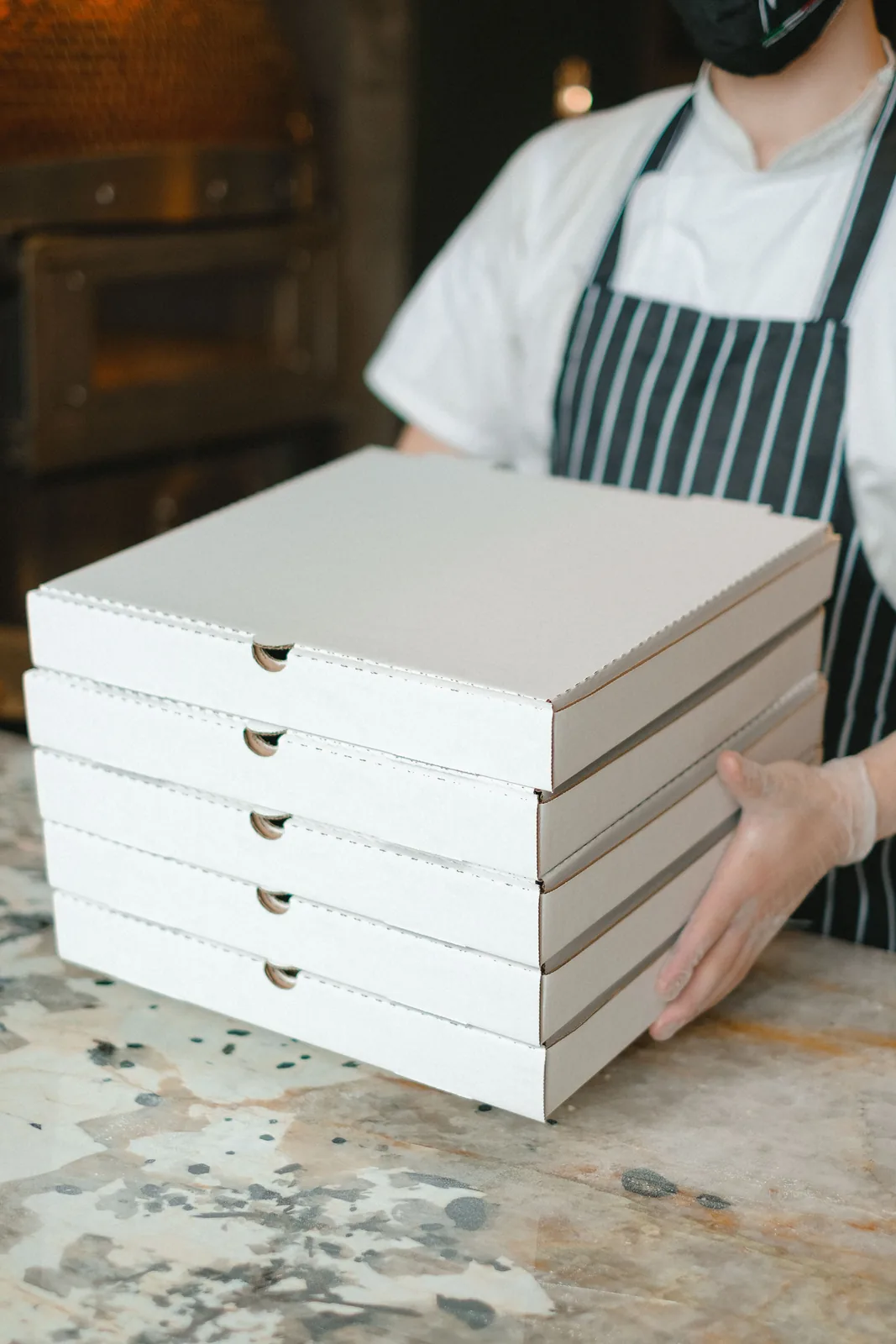
The packer should compare the contents against the complete order before closing the bag. Check dish quantities, variants, agreed modifiers and items collected outside the kitchen. Drinks, sauces and cutlery are easy to miss when main dishes arrive together but smaller parts are spread across several work areas.
Agree on a visible distinction between bags being packed and bags already checked. It need not be complicated. Clear placement and a familiar procedure may be enough. The next employee should not have to guess whether a bag is missing something or reopen everything because its status is unknown.
Make waiting and collection clear for guests and couriers
A collection point should explain where people wait and how they know their food is ready. Use wording and signs that suit the space. If couriers and guests share the same point, employees must be able to perform the same identity check without the queue crowding the work area.
A customer display can show orders received, in preparation or ready. Its status must be trustworthy. If the team marks an order ready before the drink and final dish are packed, the display sends people forward too early. Also make sure guests who cannot see the screen or understand its numbering can get help from a person.
Make an incomplete order visible
A bag missing a drink may look complete. Give incomplete orders a clear location or marker under your agreed procedure. Someone arriving at collection during the rush should not need the entire backstory to understand that something remains outstanding.
Also establish who follows up food left waiting after it is ready. There may be a wrong reference, misunderstood status or a recipient who has not arrived. Investigate the particular order and use the appropriate contact route. A bag should not be handed to a different person simply because it has been waiting a long time.
Make collection part of your ninito setup
A kitchen screen helps the team prepare the food. A customer display helps the guest understand when it is ready. With ninito, you can plan these as parts of the same order journey, including the point where an employee checks the bag.
Bring a photo of your pickup area and an order with a drink or side packed separately. We can show the order status and discuss where the screen, waiting area and final check should sit. The aim is a handover that makes sense to both staff and guests.