Give previous guests a good reason to return
A relevant invitation starts with the meal and visit a guest might want. Connect the audience, message and order instead of sending the same offer to everyone.
Start with a reason that matters to the guest
A previous guest does not necessarily need another discount. Their favourite dish may be back, a new branch may have opened closer to home or the restaurant may have a lunch that better fits their working day. A concrete occasion gives the message substance before you choose who should receive it.
Marketing campaigns in ninito connect audiences and offers with restaurant orders. Kronos can use purchase history, product preferences and time since the last purchase to make an invitation more relevant. That gives you a better starting point than sending every previous guest the same message, regardless of what they enjoy or where they usually eat.
Choose guests the invitation actually suits
A new vegetarian pizza may interest guests who previously chose similar food. A new branch may matter to people who know the brand but live far from the nearest restaurant. Think through why this particular group would benefit from hearing from you.
ninito can build audiences using conditions such as products, restaurants, order frequency and time since the last purchase. Use the history available to choose a sensible group. One order tells you less about habits than repeated choices, and anonymous purchases do not automatically identify a customer you can contact.
Respect what the guest has chosen to receive
A relevant audience and permission to send marketing are different things. For email and SMS marketing to individuals in Norway, prior consent is the general rule. The fact that someone ordered food does not mean any campaign can be sent to them.
Use only recipients you have the necessary basis to contact, and respect unsubscribes. ninito also distinguishes audience conditions from the permissions required for the messaging channel. The Norwegian Data Protection Authority’s guidance explains the main rules and points to more detail when you need to clarify a specific arrangement.
Let the message lead to the meal it describes
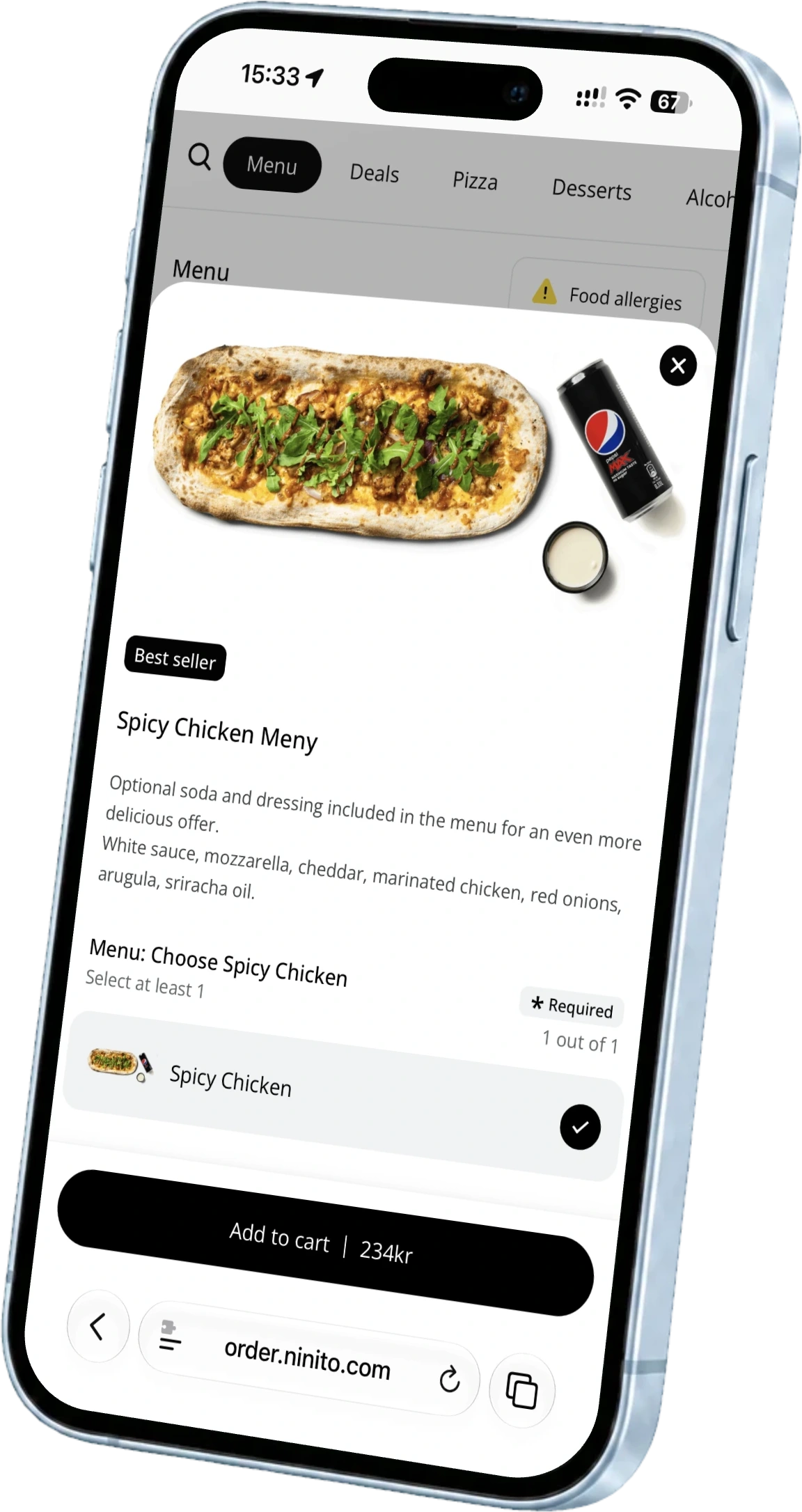
An invitation can be simple. “The vegetable pizza is back on the menu. Order for collection this week.” Guests can see what is new and what to do next. If the link opens a general page where the dish is difficult to find, the restaurant has put another obstacle between interest and ordering.
SMS and push notifications from ninito can connect messages with relevant moments in the customer relationship, such as a new dish or an available benefit. Choose the channel that fits your setup and permissions. Make sure the ordering page shows the same product, location and conditions as the message, including on mobile.

Let the visit deliver on the invitation
The kitchen needs to have the advertised item available, and staff need to understand the offer. A returning guest who encounters an unavailable dish or confusing member benefit has little reason to repeat the visit. Agree capacity and availability before sending the invitation.
Look for the orders that follow the campaign, but pay attention to questions and feedback too. Plenty of clicks with few orders may suggest an unclear offer or next step. ninito lets you consider campaigns alongside sales. Use that view to improve the next invitation rather than simply count how many people received a message.
Make the next campaign a concrete invitation
Choose an occasion with something useful for guests. It might be a dish, a time to visit or a benefit you want guests to use. A clear invitation is easier to create, easier to order from and easier for staff to fulfil.
ninito Pro and Enterprise include help setting up and maintaining campaigns and offers. Bring the occasion and the food you want to feature. We can help connect the audience, message and order so guests have an understandable route back.