What does your restaurant pay when a guest pays?
The monthly subscription is only part of the agreement. Understand processing fees, POS commissions and terminal costs before choosing a system.

A low monthly price says little about the payment agreement
An affordable POS subscription can look attractive in a proposal. Your restaurant also pays to accept money. Processing, terminals and any markups belong alongside the monthly subscription when you compare offers. Otherwise, you are comparing only part of the agreement.
With ninito, the distinction is clear. We take 0% commission on your payments. The payment provider’s processing and any bank or terminal costs are separate from the platform subscription. Payment processing is not free. You should be able to see who is being paid for each part.
One restaurant can have several payment rates
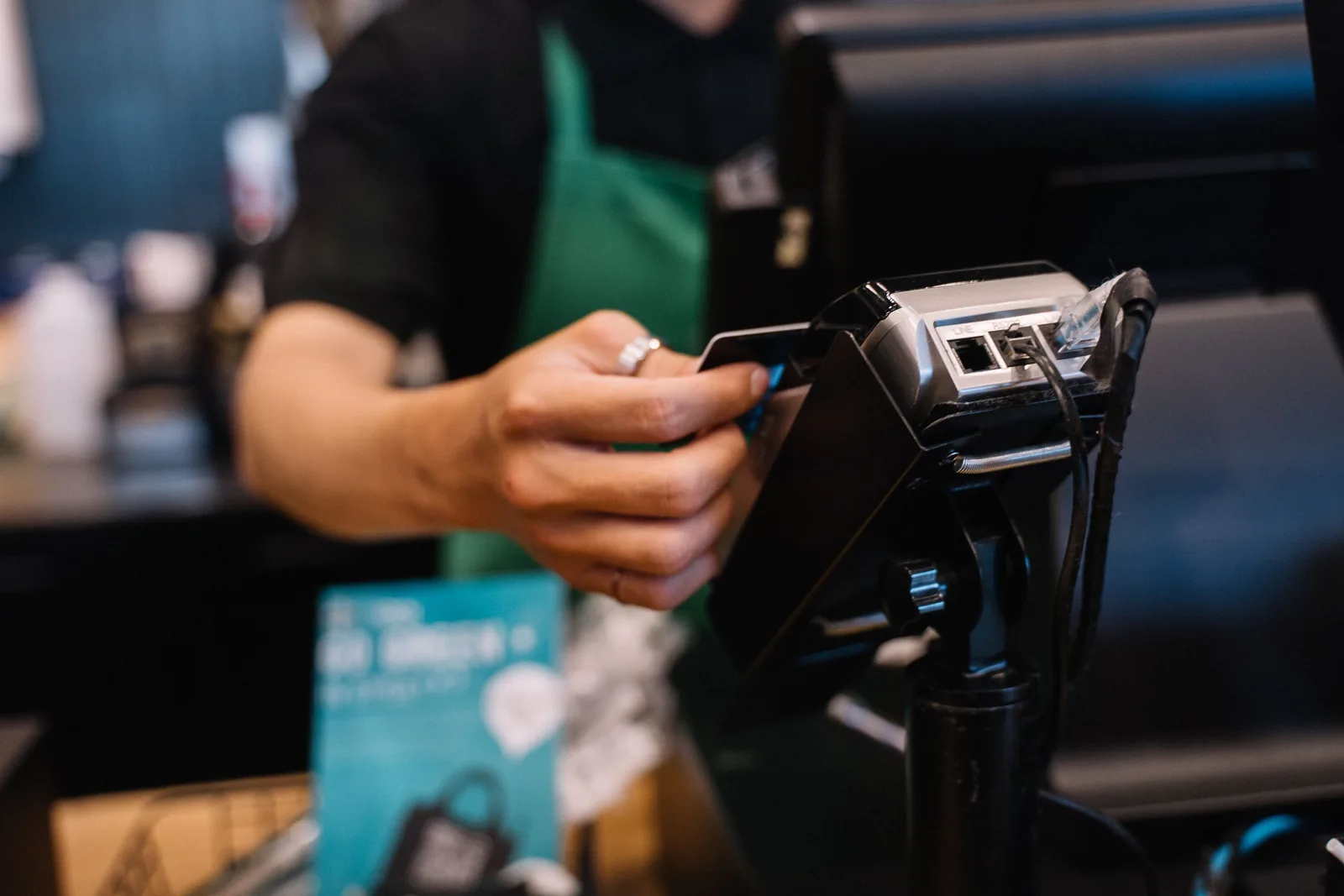
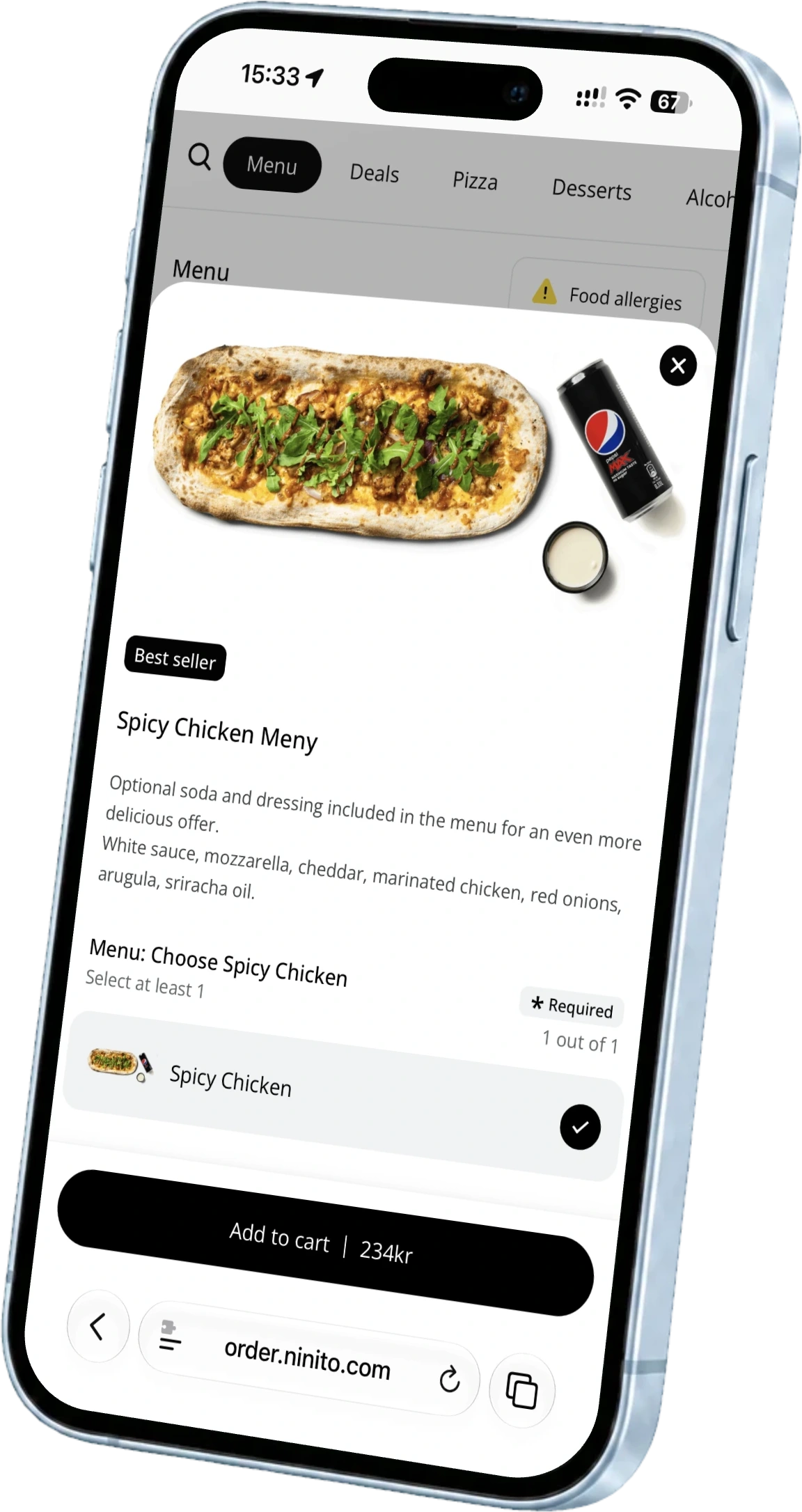
One guest taps a card at the counter. Another pays with Vipps in your online store. A company orders lunch for a meeting. These are different payment journeys, and a rate for one does not necessarily apply to the others.
Ask for terms covering the payment methods you actually use. Establish whether the offer includes a percentage of the amount, a fixed fee per transaction, or both. Terminal rental and other fixed services should appear separately. You do not need a complex calculator to notice that an offer omits the online payments that make up an important part of your business.
Ask who earns money from the transactions
The POS provider and payment provider may have a commercial arrangement. The useful question is whether the POS provider receives a share of transaction revenue, adds a markup or receives another payment through the agreement. Ask directly, without assuming every supplier uses the same model.
Also ask what happens if you want to change payment providers later. Can you keep the POS? Does the subscription change? Must you replace the terminals? A payment agreement should make sense both when you sign it and when your restaurant’s needs change.
ninito uses customers’ combined payment volume to negotiate provider terms. We take no percentage of your payments. That makes it easier to distinguish the software you buy from us from the processing you buy from the payment provider.
Follow a purchase all the way to settlement
Ask the supplier to show how a payment appears in a settlement report. Then make the example slightly harder. A guest ordered two dishes, but one needs to be refunded. Where is the refund recorded, and how does the accountant find its original payment?
This is where the difference between a payment button and a connected system becomes visible. ninito shows the status of each transaction and links refunds to the original payment. Supported split payments retain the amount paid through each method. Staff have a clearer starting point for helping the guest, while the accountant can follow the transaction through.
Understand what happens after the opening offer
Look at contract length, price changes, cancellation and what happens to the terminals. If software and payments have separate agreements, establish whether they can be ended separately. Access to historical settlements and outstanding refunds also matters when you switch.
Bring your accountant into the discussion. An actual invoice and settlement report from your restaurant lead to better questions than an unrelated business example. Together, you can identify what you already understand and what the supplier still needs to explain.
Get a payment setup you understand
Bring your payment agreement, terminal model and ordering channels to ninito. We will review the setup and check whether your existing terminals can be reused. You can distinguish subscription, processing and equipment before making a decision.
The aim is simple. When a guest pays, your team should be able to keep serving. When you read the settlement, you should understand what your restaurant paid for.