Train new employees with the orders they actually handle
Teach the order journey, not a tour of buttons. Use ninito’s connected POS and kitchen flow to practise the situations new staff will meet.
Teach a task before showing every menu
A tour of every feature can give a new employee plenty of information without showing what happens in the first guest conversation. They may remember the payment button but hesitate when a guest changes a modifier or requests an unavailable dish. Training should begin with the situation the employee needs to handle.
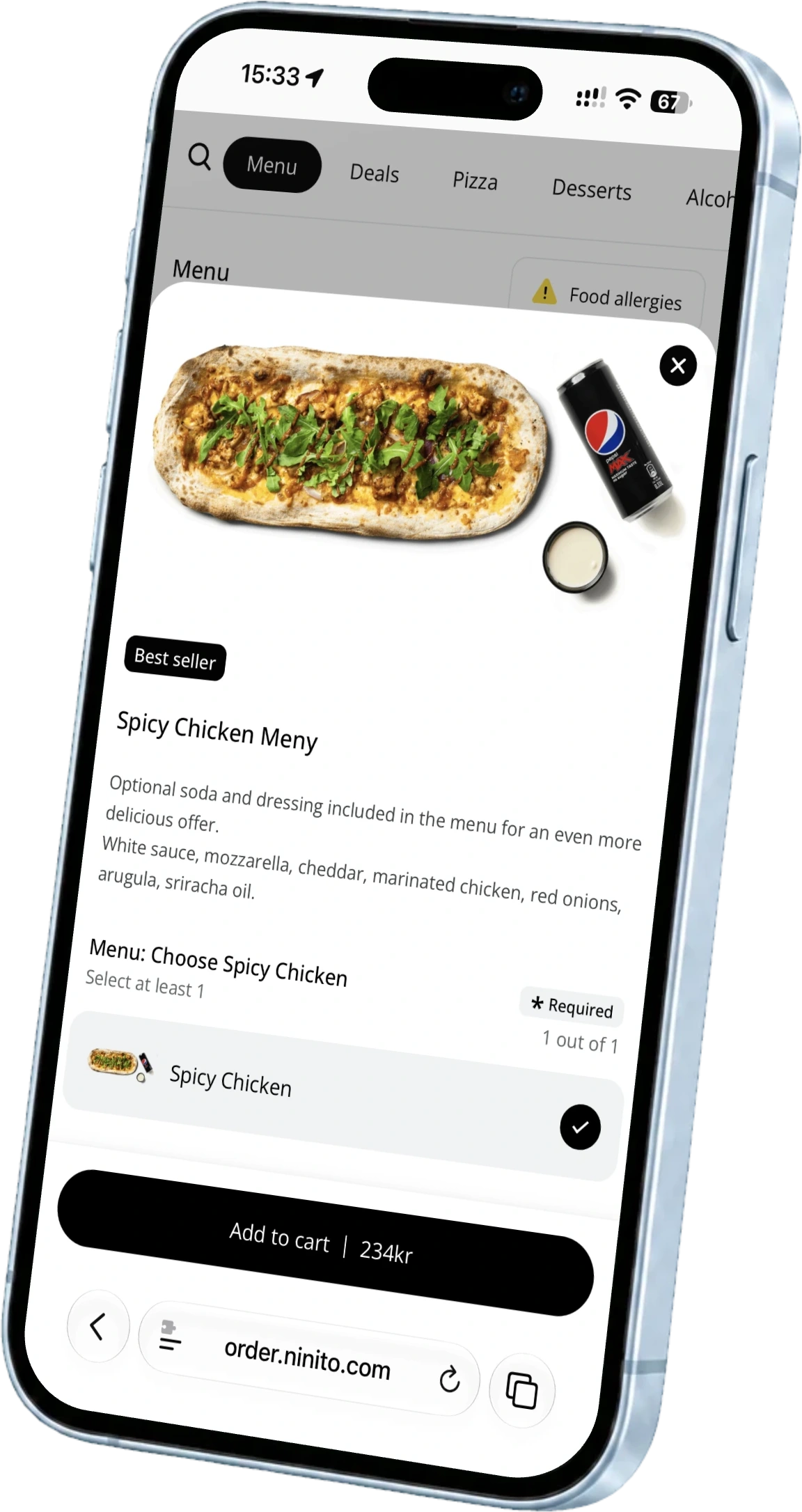
With ninito, the POS and connected kitchen system work from the same order flow. A new employee can learn how the guest’s choice reaches the right station, how payment status is checked and when to ask for approval. Start with a familiar meal and follow it all the way to handover. The system then makes sense as part of service.
Use a small set of different order scenarios
Include variations requiring different decisions. A standard dish demonstrates the normal flow. Several modifiers test menu understanding. An unavailable item shows how the employee explains alternatives without promising something the kitchen cannot provide. A correction reveals when help or approval is needed.
Do not make every task difficult at once. Add another challenge after the basic flow is understood. Use an agreed test setup and establish how test orders and payments are handled. Training should not leave false production tasks or unresolved sales for the next shift to clean up.
Ask the employee to explain the next person’s task
A correct tap demonstrates only part of the understanding. Ask the employee what the kitchen will see. Which station prepares the food? What does the modifier mean? How will the packer know the drink belongs to the order? Answers reveal whether the person understands the workflow or is merely repeating a demonstration.
Invite a kitchen colleague to participate. In an illustrative exercise, a guest orders 2 identical dishes with different sides. The new employee makes the difference clear, and the kitchen describes the 2 meals without further questions. If the explanations disagree, the problem may be menu configuration as much as training.

Make it clear when the employee should ask for help
Confident training includes knowing boundaries. Establish which actions the role may perform independently and which require a manager. Refunds, discounts and availability changes may have different permissions. The employee should know who is responsible on the actual shift, rather than merely that managerial approval is required.
ninito uses role-based permissions and managerial approval for restricted actions. A new employee can work within their role and ask the responsible person for approval when needed. Practise that handover as part of training, so asking for help feels like a normal part of service.
Give the first shift an accessible support person
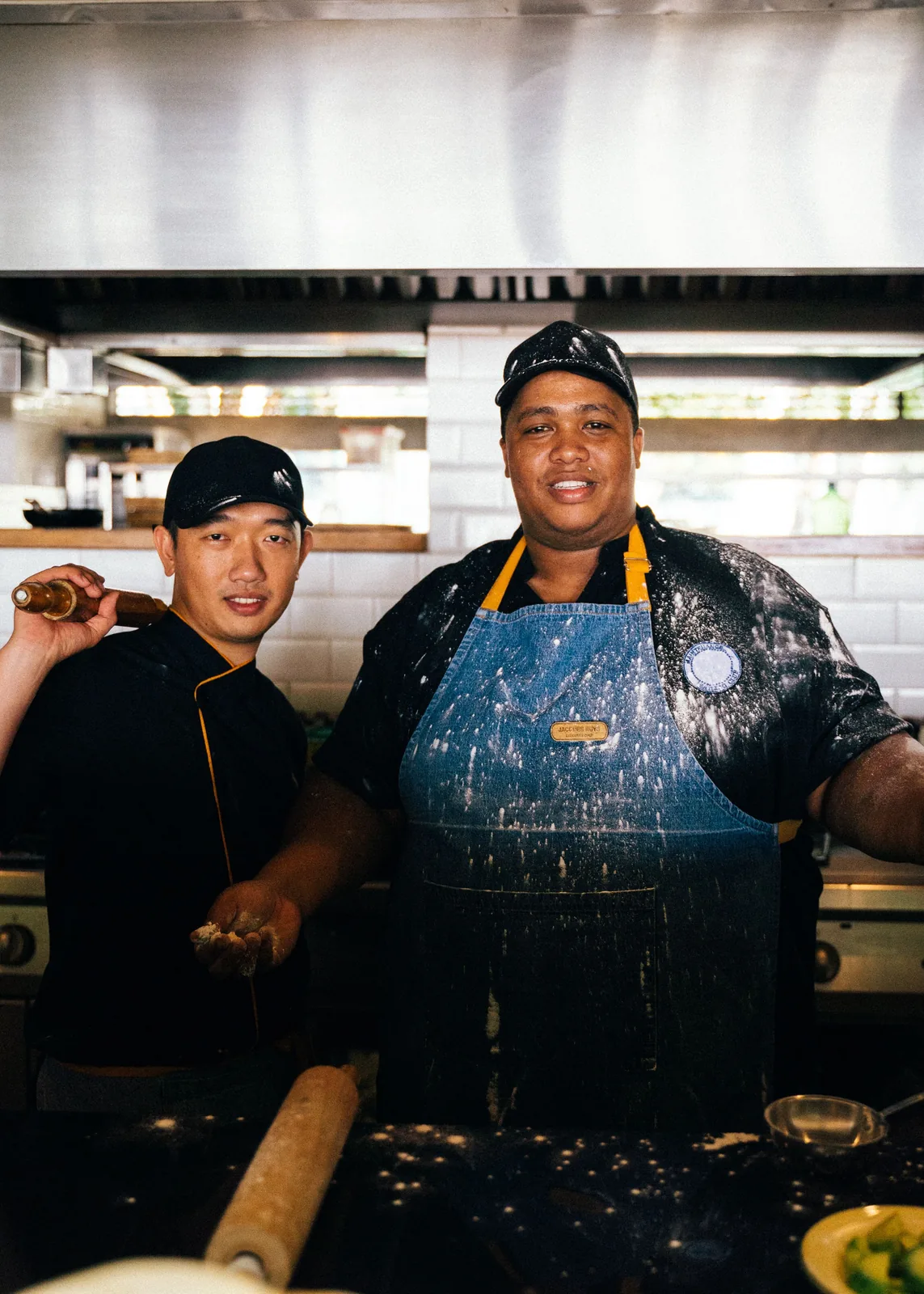
Assign someone the new employee can approach during the first shift. Agree how to request help without leaving the guest unattended. If training only works with the owner standing beside the employee, it has not yet transferred into ordinary restaurant operations.
After the shift, review a few situations that caused uncertainty. Ask what the employee was trying to achieve and what information was missing. Do not judge speed alone. Correct orders, clear explanations and appropriate exception handling provide a stronger basis for independent service than rapid clicking through a simple sale.
Make ninito support part of everyday learning
ninito provides support and guidance for daily use, so questions do not have to wait until the owner is available. Ask about the actual task, such as finding an order, understanding a payment status or changing who can pause a channel. Keep local training notes aligned with the setup the team uses.
When reviewing ninito for your restaurant, include someone who will work a normal shift. Let them try an ordinary order and a correction with your menu. Their questions help us discuss the menu, permissions and kitchen setup in terms the team will actually use.