When should you extend preparation time or pause delivery?
A growing delivery queue does not have to control the whole restaurant. Use preparation times and channel pauses in ninito to give the kitchen room to catch up.
Waiting time is a promise to the guest
When orders accumulate, it is tempting to keep the usual preparation time and hope the kitchen catches up. But the time a guest sees affects when they or their courier arrive. An unrealistic promise moves the queue from the kitchen to collection, where employees spend time explaining the delay.
ninito lets you adjust preparation times together or separately for connected delivery platforms, and pause a channel when the kitchen needs a break. You can keep other channels open. The shift manager gets a practical way to control new work, while the kitchen concentrates on orders already accepted.
Find the bottleneck before changing every channel
Look at what is actually waiting. Is the same dish delaying several orders? Is production complete while packing or handover is blocked? Or are more orders arriving than the team can begin? These problems should not receive the same response.
Count open orders if useful, but also look at their age and contents. A few large orders can require more work than many small ones. A queue of finished food needs better packing and handover, not necessarily more grill time. Get a short status from each affected station before deciding what to promise the next guest.
Choose an action that matches capacity
Use a longer preparation time when there is a realistic route from accepting a new order to completing it. Consider pausing a channel when the team needs a break in incoming work to regain control. If a single dish is the problem, temporarily changing its availability may be more precise than closing the whole channel.
Do not apply identical times to every channel by habit. Menus or operating conditions can differ between direct ordering and delivery platforms. Channel choices should not become an unspoken competition between employees either. Agree in advance how accepted orders are prioritised and who can limit new ones.
Protect the promises already made
A setting for new orders should not be confused with notifying guests who are already waiting. Review the oldest orders. Identify those that will be delayed and use the agreed communication route for the platform or your direct channel. Guests should not have to arrive to discover a delay the restaurant already knows about.
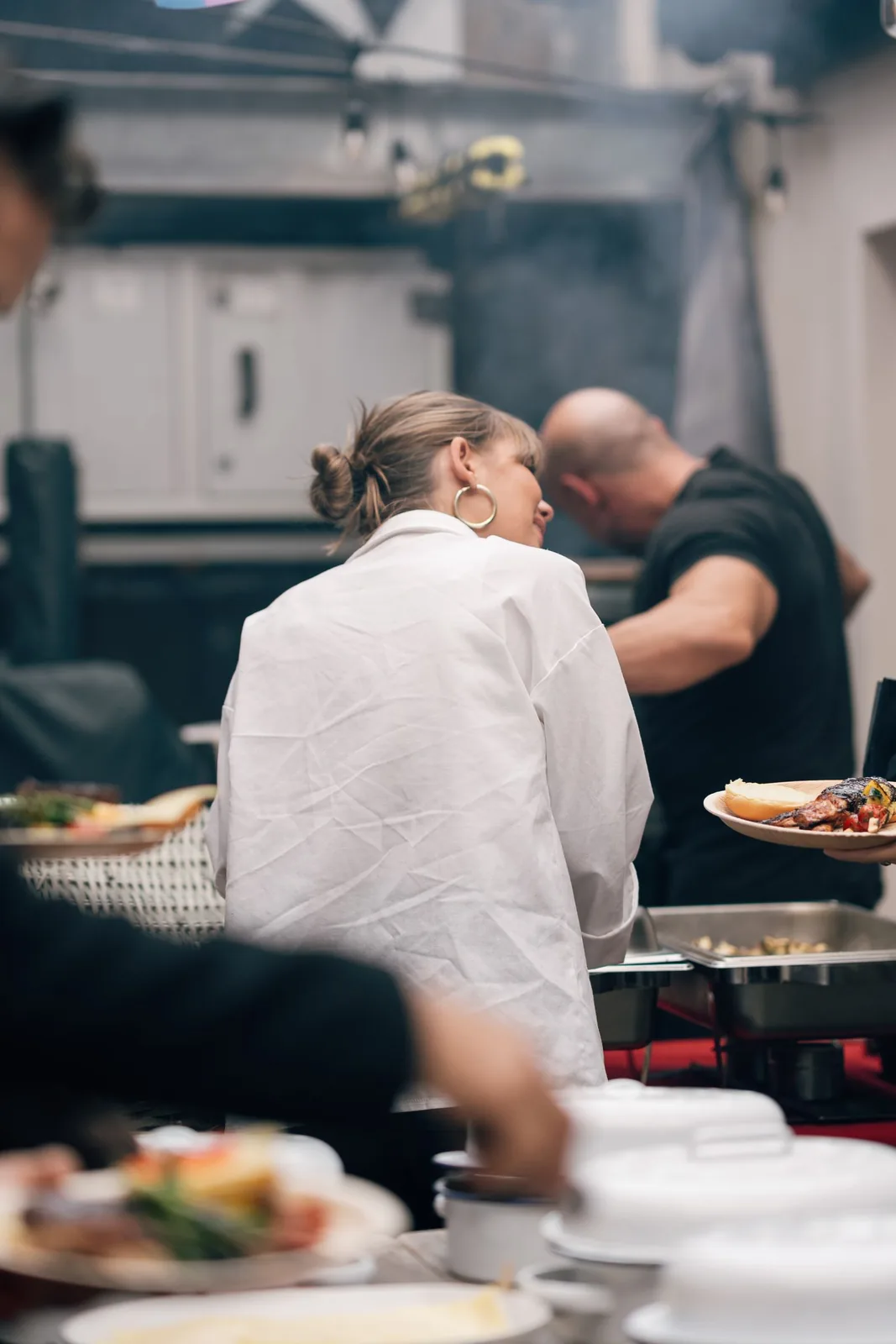
In an illustrative rehearsal, the team finds packing is the bottleneck. The shift manager moves an available employee to handover and temporarily pauses one delivery channel. The kitchen works through open orders. Once the queue is manageable, they reassess capacity before reopening. The exercise shows why staffing, communication and channel controls belong together.

Agree on the conditions for reopening
A pause needs an owner and a time for reassessment. Otherwise a channel may remain closed after the problem is resolved. Use conditions the team can actually observe, such as the oldest orders being addressed, packing working properly and stations being ready to start new dishes.
Follow the first orders after reopening. Return to the normal preparation time only when that is a realistic promise. Hand over both pauses and adjusted times when shifts change. A short log of causes and actions helps identify recurring issues, such as a dish or staffing arrangement creating the same queue each Friday.
Give the shift manager useful controls
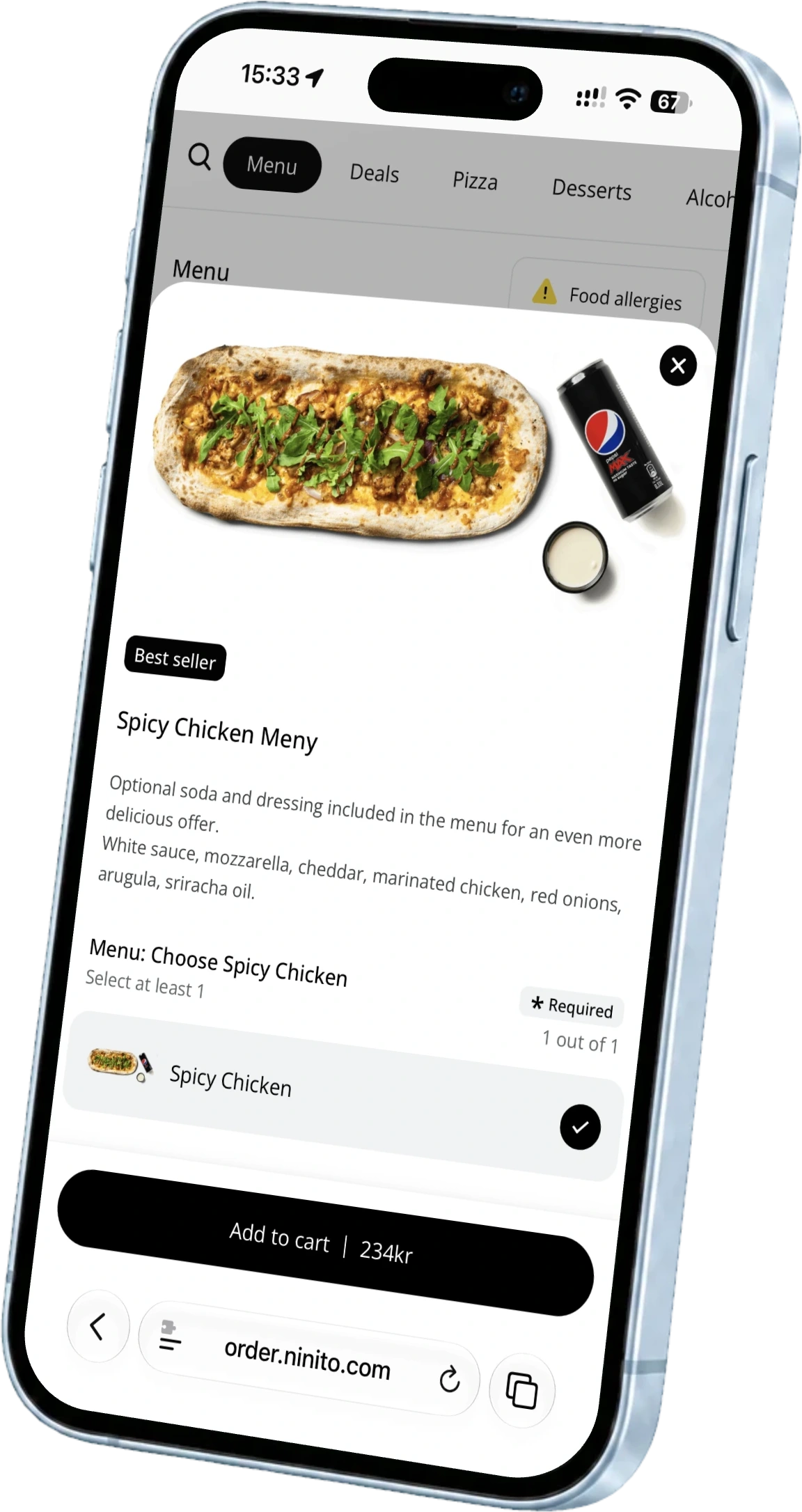
ninito keeps preparation times, platform pauses and reopening in the delivery workflow, with employee permissions determining who can make changes. Staff do not need to leave the decision to whoever happens to be closest to a platform tablet.
Bring a typical rush situation to a demo. We can show how to change one platform’s preparation time, pause it and open it again. Combine those controls with a clear kitchen signal so your team knows when to act.