Delivery orders without extra tablets
Wolt, foodora and Uber Eats orders can go straight into your POS and kitchen. Here is how to remove the extra tablets and repeated order entry.
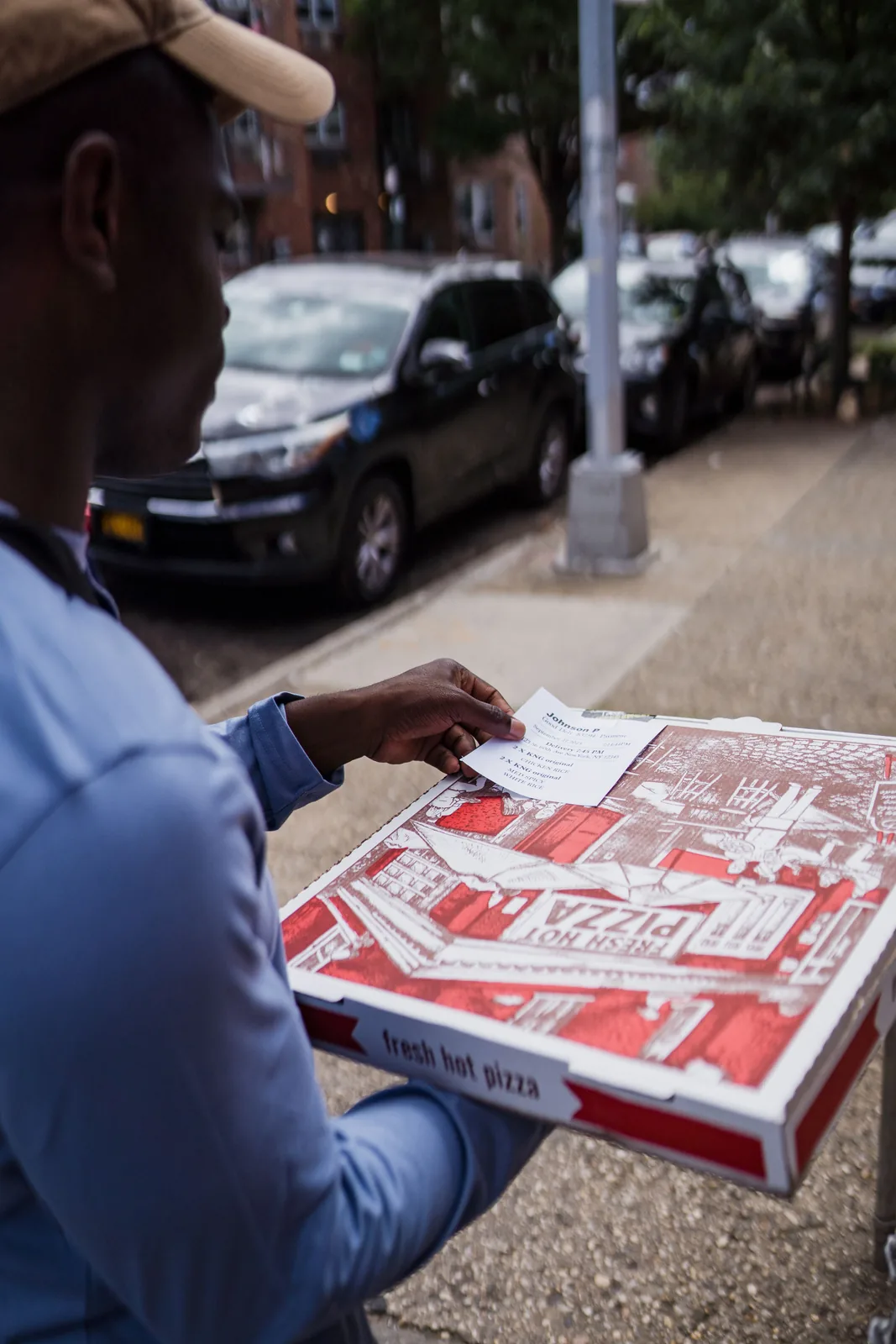
Stop entering the same order twice
When an employee reads a Wolt order and enters it into the POS, the same work happens twice. They have to find the dishes again, transfer the modifiers correctly and send the order onward while the kitchen waits. If a foodora order arrives just as a guest needs help at the counter, that handover becomes another task in the rush.
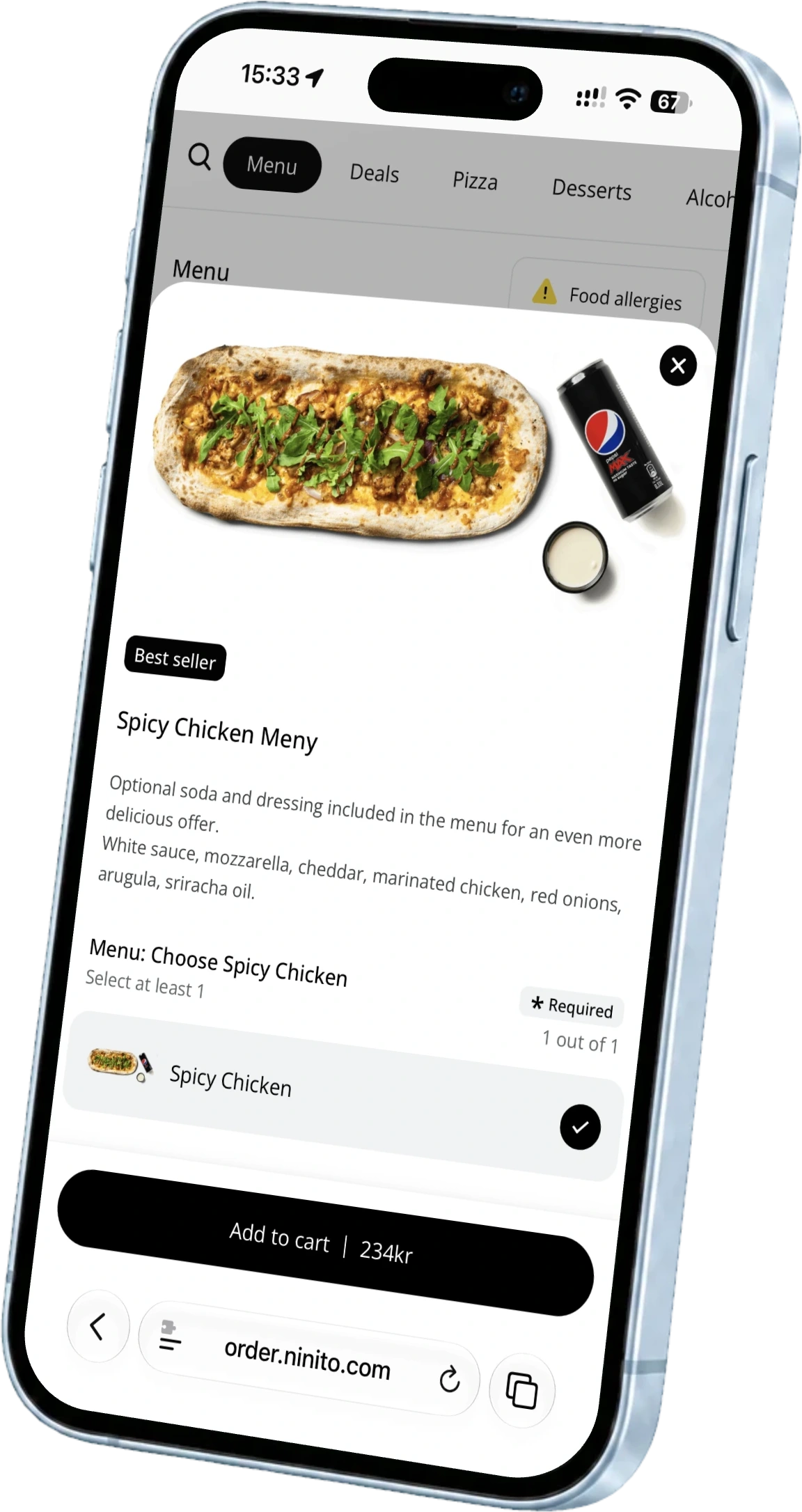
ninito connects Wolt, foodora and Uber Eats to your POS and sends their orders onward to your kitchen screens or printers. Staff handle delivery alongside orders from the counter, kiosks and your own online channels. There is no separate delivery tablet to watch and no order to type into the POS again.
What arrives must be an order the kitchen can understand. Quantities, modifiers, channel and collection time all belong with it. If the cook still needs the platform tablet to find out which burger gets extra cheese, duplicate work remains in the process.
The whole order needs to reach the bag
Imagine a guest ordering two burgers, one with extra cheese and one without onion, alongside two fries and two soft drinks. The burgers come from the grill, the fries from the fryer and the drinks from another station. It is a familiar type of order, but its details need to stay with the correct part of the work.
ninito KDS routes each product to the station preparing it, while keeping every part connected to the same customer order. The grill sees the burgers and their modifiers. The packer still needs the complete meal. Two finished burgers do not make the order ready if the fries are still cooking or the drinks have been left behind.
The channel and order reference connect the parts. They make it possible to find the right order when the courier arrives, even with several bags waiting at once. A final contents check before handover still matters. The integration removes re-entry, while the person handing over the order makes sure the correct food actually leaves with the correct courier.
Find the order before someone creates it again
If an order is missing from the kitchen, the first question is where it was last visible. Is it on the platform, in the POS or at another kitchen station? Follow it using the channel and order reference. An order present in the POS but sent to the wrong printer needs a different solution from one that never arrived.
Entering it again is tempting when a courier is waiting. But if the original appears afterwards, the kitchen may prepare the food twice. Give one person responsibility for the exception and for telling the kitchen what to prepare. A simple fallback procedure should also make it possible to identify orders already handled manually.
Changes and refunds need the same ownership. The guest needs a resolution, the kitchen needs to know whether work should continue and the sales record needs to be correct. A refund on the delivery platform does not itself tell the cook what to do. These actions need to connect in the restaurant’s working procedure.
Sales and payouts are different things
Recording delivery sales in the same POS as the restaurant’s other sales makes the records easier to bring together. A configured accounting connection can carry sales and VAT onward, avoiding repeated entry after closing. Accounts, payment methods and locations need to fit the setup used by the restaurant and its accountant.
A delivery platform payout tells a different story from a sales report. It may include fees, refunds and other adjustments, and cover a different period from the sale itself. A bank deposit alone therefore cannot explain what the restaurant sold. Sales records, platform settlements and bank movements need to remain individually traceable.
If an item is refunded after delivery, the accountant needs a connection back to the original order. That relationship makes reconciliation possible. Integration reduces the work of collecting and recording figures, while the restaurant and accountant remain responsible for checking settlements and corrections.
Connect delivery orders with the rest of service in ninito
Los Tacos uses ninito to bring Wolt, foodora and Uber Eats together with kiosks, QR ordering and station-based kitchen work. The value is in what happens between those parts. The same order can move from the guest to preparation and handover without staff rebuilding it along the way.
Bring your menu and the delivery channels you use to a ninito demo. We can show how an ordinary order, including its modifiers and drinks, reaches the kitchen. You can see which manual steps disappear and what the team still checks before handing over the bag.